
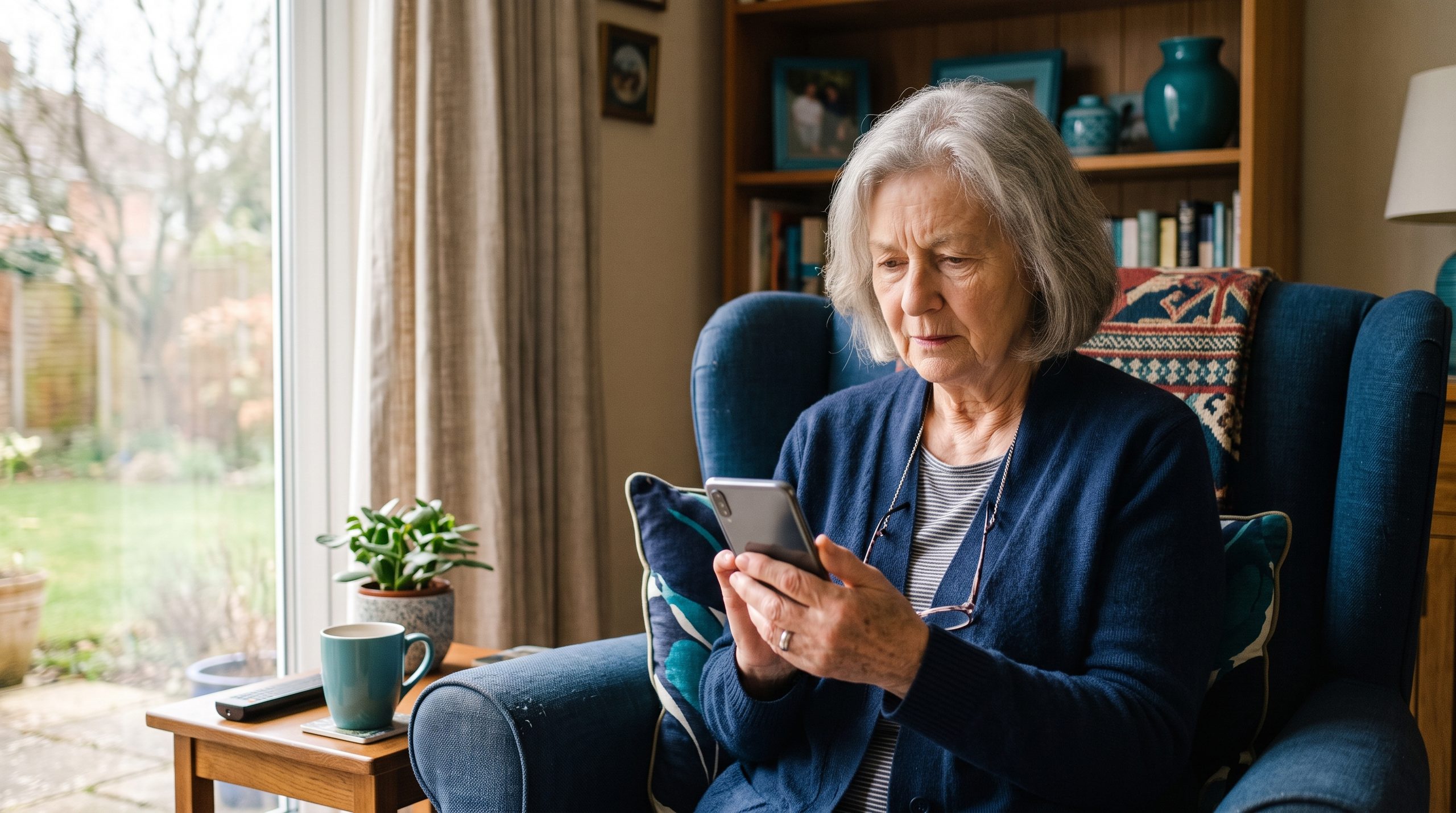
Romance scams drained $929 million from Americans in 2025, per the FBI’s Internet Crime Complaint Center — and adults 60 and older accounted for $584 million of that, roughly 63 cents of every dollar lost. What makes these particular scams so damaging isn’t just the money. It’s that the loss almost never happens in one panicked moment. It builds over weeks, sometimes months, wrapped in something that feels like a genuine, caring relationship — which is exactly why it’s so hard to walk away, even once doubt creeps in.
Where These Scams Usually Start
Here’s something that surprises people: most romance scams today don’t begin on dating apps at all. The FTC found that nearly 60% of people who lost money to one in 2025 said it started on social media — a friend request, an offhand comment, a DM that seemed harmless enough at the time.
From there, a scammer typically:
Puts together a detailed, attractive profile — often built on photos stolen from real people, frequently military members, doctors, or engineers “stationed overseas.” Conveniently, that explains away the video calls and in-person meetings that never happen.
Pushes the conversation off-platform fast, onto a messaging app that’s harder to monitor or report.
Spends real time on it. Weeks, sometimes months of daily messages, calls, attention — all before money ever comes up. That’s not an accident. The emotional investment is what makes the eventual ask so much harder to question.
Introduces a crisis, or an opportunity. A medical emergency, a shipment stuck at customs, travel money to finally meet — or, increasingly, a “guaranteed” crypto investment opportunity, a pattern researchers now call pig butchering.
Keeps asking. The amounts tend to climb, always with some new excuse for why normal banking channels won’t work this time.
Why Older Adults Get Targeted So Often
It’s not naivety. Widowed, divorced, or otherwise isolated older adults are common targets simply because someone offering consistent daily attention fills a real gap. And once trust and affection take root, victims often defend the relationship even when family or friends push back — which is part of why these scams resist outside intervention so stubbornly.
Warning Signs
- The relationship escalates fast emotionally, despite never meeting in person
- Video calls get avoided, or always seem to conveniently glitch out
- Their job explains the overseas absence perfectly — military, oil rig, NGO doctor
- Money eventually enters the picture: a medical bill, a customs fee, travel costs, a “sure thing” investment
- Payment gets requested in crypto, wire transfer, or gift cards — never anything traceable
- They discourage talking about the relationship with anyone close to you
- A reverse image search turns up their photo under a completely different name
If You Suspect Something’s Off
Run a reverse image search on their profile photo — right-click and search, or use a dedicated tool. Stolen photos frequently surface under someone else’s name.
Ask for a real, live video call and request something spontaneous — a wave, saying today’s date out loud. Recorded or stolen video usually can’t keep up with that.
Don’t send money, gift cards, or crypto to anyone you haven’t met in person. No exceptions, whatever the story.
Tell someone you trust, even if it’s uncomfortable. An outside perspective is genuinely one of the best ways to catch this before money changes hands.
Already sent money? Stop and contact your bank or payment provider right away. Crypto and wire transfers are brutally hard to recover, but reporting quickly still matters.
File a report with the FTC (reportfraud.ftc.gov) and the FBI’s IC3 (ic3.gov). And it’s worth talking to a counselor too — the emotional toll of this kind of scam often rivals the financial one.
The Bottom Line
Romance scams work precisely because they don’t feel like scams while they’re happening — they feel like something real. The most reliable red flag, hands down, is a consistent refusal to meet in person or hop on an unscripted video call, especially once money enters the conversation. However genuine it feels, that combination alone is reason enough to stop and check before sending anything.
Note: This article is for informational purposes only and does not constitute legal or financial advice. If you believe you have been the victim of a scam, contact your bank immediately and report the incident to the appropriate authorities.